Frosting Techniques for Floral Cupcakes
Highlighted under: Baking Ideas | Pastry & Pies
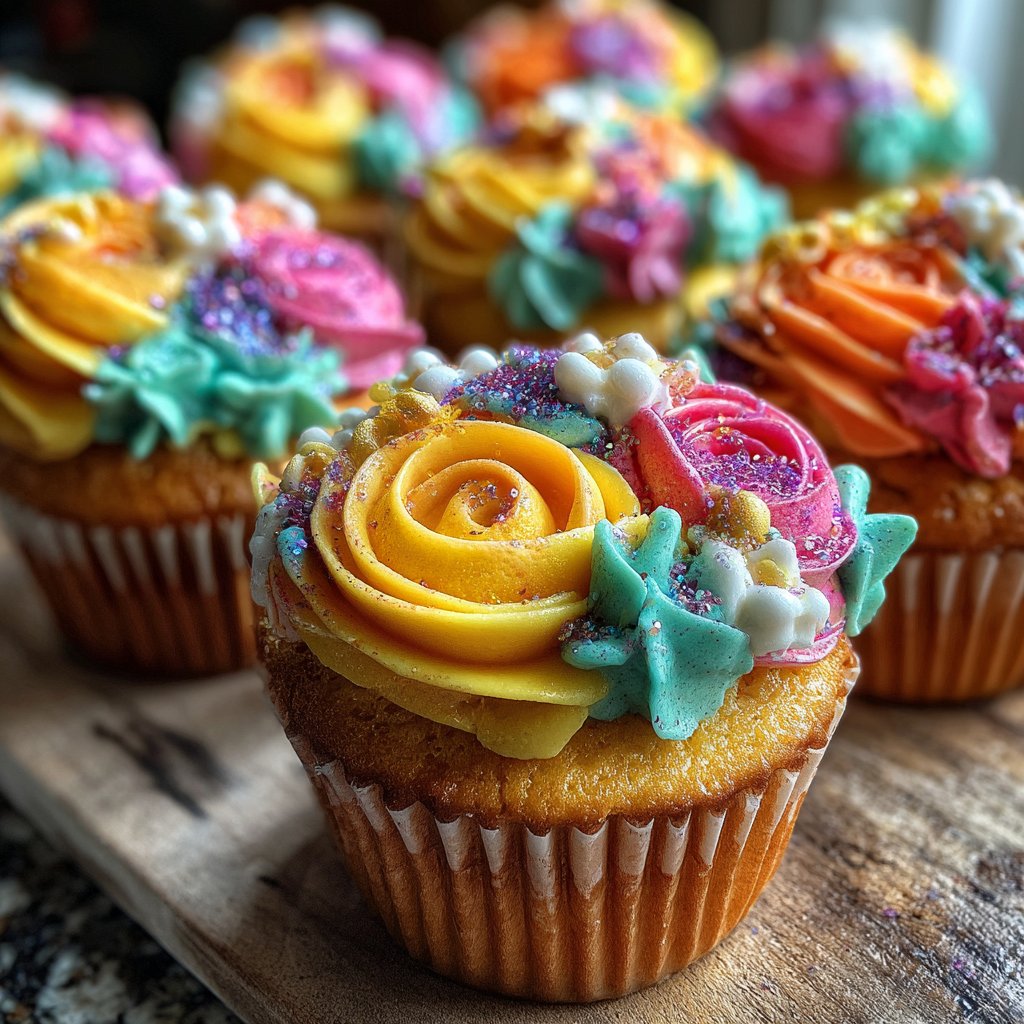
I absolutely adore making floral cupcakes, and mastering the frosting techniques makes all the difference! The delicate swirls and vibrant colors enhance not only the visual appeal but also the overall experience of indulging in these treats. In this guide, I’ll share the tips and tricks I’ve discovered to create stunning floral designs that are as tasty as they are beautiful. Whether you’re preparing for a special occasion or just want to elevate your baking skills, these frosting techniques will help your cupcakes blossom like never before.
When I first started decorating cupcakes, I struggled to get the floral designs just right. Over time, I experimented with different tips and techniques, which transformed my approach to frosting. I found that using a variety of piping tips allows you to create everything from simple daisies to intricate roses, making each cupcake uniquely charming.
One valuable tip I learned is to keep your frosting at the right consistency; too stiff, and it won’t hold shape, too soft, and it will slide off. This balance is crucial. With a bit of practice, I can now whip up stunning floral cupcakes that impress everyone!
Why You'll Love These Techniques
- Transform ordinary cupcakes into stunning floral masterpieces
- Versatile techniques that can be used for any occasion
- Fun and rewarding creative outlet, perfect for all skill levels
Understanding Frosting Consistency
The consistency of your buttercream or cream cheese frosting is crucial for achieving beautiful floral designs. Aim for a medium consistency that holds its shape but is still easy to pipe. If your frosting is too soft, it may lose shape and appear runny; mix in additional powdered sugar by the tablespoon until it thickens. Conversely, if it's too stiff, add heavy cream or milk a teaspoon at a time until the desired texture is reached. The frosting should be smooth and glossy for perfect results.
As you prepare your frosting, keep in mind that ambient temperature can affect its consistency. On warmer days, butter-based frostings may soften quickly, making them more challenging to work with. If this happens, refrigerate your frosting for 10-15 minutes to firm it up before attempting to pipe. Remember, achieving the right frosting consistency will significantly influence how well your floral cupcakes turn out.
Choosing the Right Piping Tips
Selecting the appropriate piping tip is essential for creating various flower designs on your cupcakes. A common choice for petal-like shapes is the Wilton 104 tip, which has a wide opening and allows for great control when creating petals. For more delicate flowers, you might consider using a small star tip such as Wilton 21, or even specialty tips like the rose tip for classic flowers. Each tip produces different shapes, so don't hesitate to practice on parchment paper before you commit to decorating your cupcakes.
Begin by familiarizing yourself with the motion required for each piping technique. For instance, when using a petal tip, hold the bag at a 45-degree angle and squeeze gently while pulling away to form the petals. If you find yourself making mistakes, don’t worry; simply scrape the frosting back into the bag, and try again. The more you practice, the more confidence you'll gain, leading to beautifully decorated floral cupcakes.
Flavor Variations and Additions
While classic buttercream and cream cheese frosting are wonderful, consider incorporating different flavors for added depth. For instance, try adding a teaspoon of lemon zest or almond extract to your buttercream for a pleasant twist. Alternatively, for a fruit-inspired frosting, blend in some pureed strawberries or raspberries until well combined. Just be aware that adding liquids can alter the frosting's consistency, so adjust the powdered sugar accordingly to compensate.
To further enhance the aesthetic appeal, consider folding in edible glitter or using edible flowers as a topping once your cupcakes are frosted. These simple additions can transform a standard cupcake into an eye-catching treat. Be sure to store any unused frosting in an airtight container in the refrigerator for up to a week, allowing you to whip up more floral designs whenever inspiration strikes.
Ingredients
Ingredients for Frosting
Buttercream Frosting
- 1 cup unsalted butter, softened
- 4 cups powdered sugar
- 1/4 cup heavy cream
- 1 teaspoon vanilla extract
- Food coloring (optional)
Cream Cheese Frosting
- 8 oz cream cheese, softened
- 1/2 cup unsalted butter, softened
- 4 cups powdered sugar
- 1 teaspoon vanilla extract
Tools Needed
Frosting Steps
Prepare Frosting
In a mixing bowl, beat the softened butter or cream cheese until smooth and fluffy. Gradually add the powdered sugar, alternating with the heavy cream, until you reach your desired consistency. Mix in the vanilla extract.
Color Your Frosting
If you want to create colorful floral designs, divide the frosting into separate bowls and add food coloring to each bowl. Mix until the desired shades are achieved.
Choose Your Piping Tip
Select a piping tip suitable for floral designs, like a rose or petal tip. Fill a piping bag with your frosting, ensuring there are no air bubbles.
Pipe the Flowers
Start by piping a base for the flower, then use rotating and lifting motions to create petals. Practice on parchment paper before decorating your cupcakes for the best results.
Tips for Success
Pro Tips
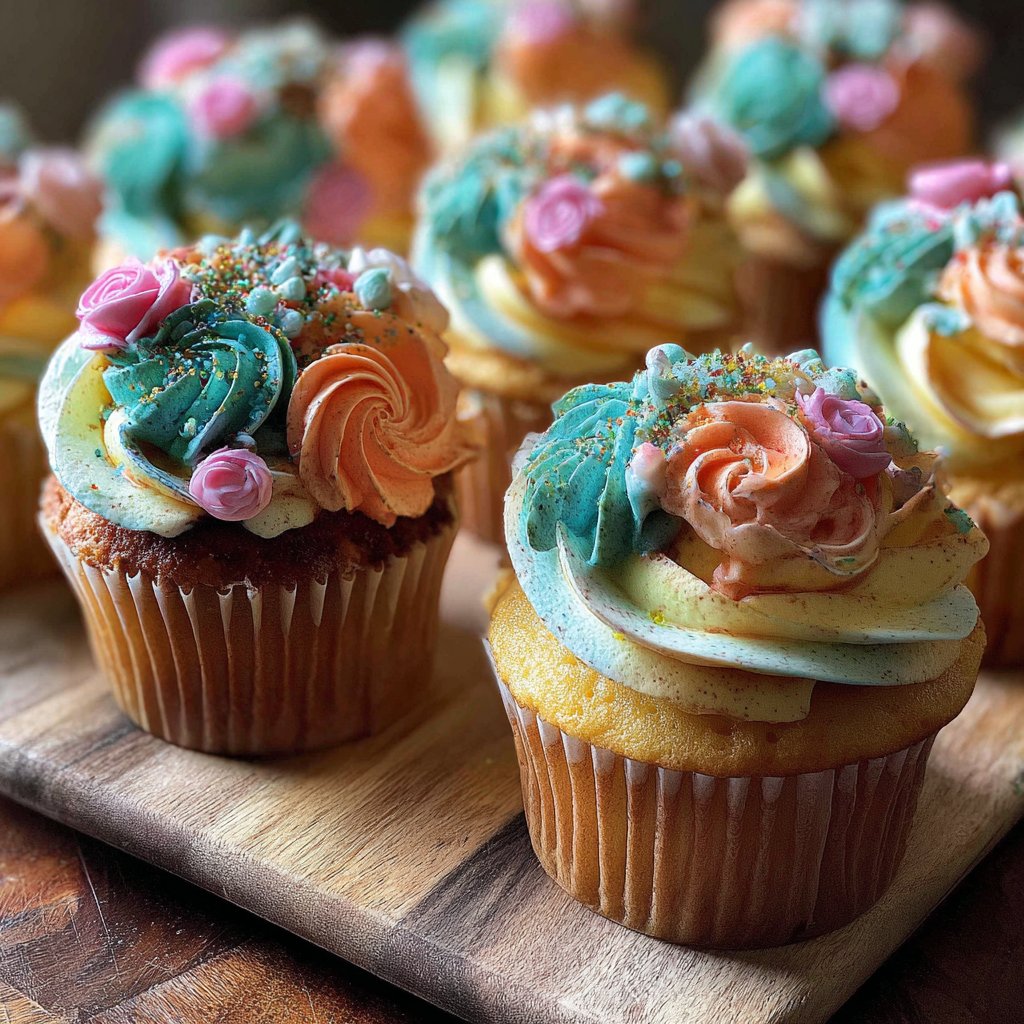
- Always practice piping on parchment paper before decorating your cupcakes. This helps you get comfortable with the technique.
Storage Tips for Frosted Cupcakes
Proper storage is essential for maintaining the beauty and flavor of your floral cupcakes. If you’re not planning to consume them immediately, store them in an airtight container at room temperature for up to two days. Avoid refrigerating them unless you're using cream cheese frosting, as cold temperatures can alter the frosting’s texture and appearance. If refrigerated, allow the cupcakes to return to room temperature before serving for optimal flavor and frosting appearance.
For longer storage, consider freezing your unfrosted cupcakes. Simply place them in a single layer on a baking sheet to freeze, then transfer them to an airtight container or freezer bag for up to three months. When ready to enjoy, thaw at room temperature and frost with your favorite floral designs. This method allows you to have freshly frosted cupcakes ready for any occasion!
Troubleshooting Common Frosting Issues
If your frosting becomes gritty after adding powdered sugar, it could be due to the sugar being added too quickly. Always add it gradually while mixing to ensure a smooth texture. If you encounter overly runny frosting, this often occurs when too much liquid has been added. Simply incorporate more powdered sugar, and take care to mix thoroughly until the thickness is adjusted. This way, you can achieve a stable frosting for piping your delicate floral designs.
Another common issue is colors not blending as expected when using food coloring. To achieve vibrant hues, try using gel food colors instead of liquid, as they are more concentrated and require less. Start with a small amount and mix it into your frosting until you reach the desired shade. If the color becomes too dark, you can lighten it by adding more uncolored frosting. This careful adjustment can lead to perfectly colored floral designs that reflect your creative vision.
Questions About Recipes
→ Can I use store-bought frosting?
Yes, store-bought frosting can be used, but homemade buttercream or cream cheese offers better control over consistency and flavor.
→ How do I store leftover frosting?
Store leftover frosting in an airtight container in the refrigerator for up to one week. You can re-whip it before using.
→ What piping tips should I buy?
Start with a basic set that includes round, star, and petal tips. These can create a variety of floral designs.
→ Can I add flavor extracts to my frosting?
Absolutely! Experiment with different extracts like almond, lemon, or mint for unique flavor profiles.
Frosting Techniques for Floral Cupcakes
Created by: The Monicasrecipes Team
Recipe Type: Baking Ideas | Pastry & Pies
Skill Level: Intermediate
Final Quantity: 12 cupcakes
What You'll Need
Buttercream Frosting
- 1 cup unsalted butter, softened
- 4 cups powdered sugar
- 1/4 cup heavy cream
- 1 teaspoon vanilla extract
- Food coloring (optional)
Cream Cheese Frosting
- 8 oz cream cheese, softened
- 1/2 cup unsalted butter, softened
- 4 cups powdered sugar
- 1 teaspoon vanilla extract
How-To Steps
In a mixing bowl, beat the softened butter or cream cheese until smooth and fluffy. Gradually add the powdered sugar, alternating with the heavy cream, until you reach your desired consistency. Mix in the vanilla extract.
If you want to create colorful floral designs, divide the frosting into separate bowls and add food coloring to each bowl. Mix until the desired shades are achieved.
Select a piping tip suitable for floral designs, like a rose or petal tip. Fill a piping bag with your frosting, ensuring there are no air bubbles.
Start by piping a base for the flower, then use rotating and lifting motions to create petals. Practice on parchment paper before decorating your cupcakes for the best results.
Extra Tips
- Always practice piping on parchment paper before decorating your cupcakes. This helps you get comfortable with the technique.
Nutritional Breakdown (Per Serving)
- Calories: 150 kcal
- Total Fat: 8g
- Saturated Fat: 5g
- Cholesterol: 30mg
- Sodium: 40mg
- Total Carbohydrates: 20g
- Dietary Fiber: 0g
- Sugars: 18g
- Protein: 1g